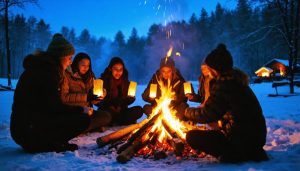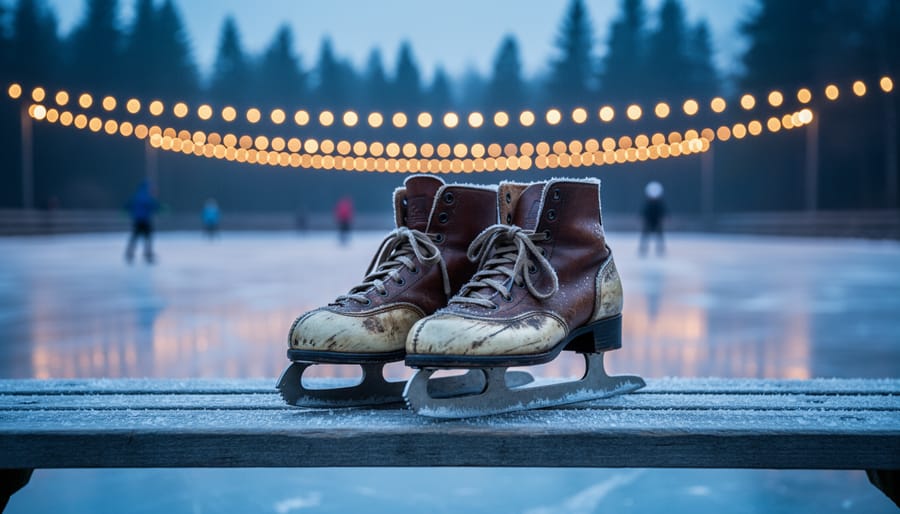
Picture a frozen pond glistening under winter moonlight, where generations have gathered to glide across the ice, their laughter echoing through crisp December air. This enchanting scene connects us to a tradition spanning thousands of years, from ancient hunters strapping animal bones to their feet for survival to Victorian families circling outdoor rinks beneath twinkling gaslights. Ice skating has transformed from practical necessity into one of our most cherished winter celebrations, weaving itself into the very fabric of Christmas magic.
The journey of ice skating mirrors humanity’s ability to turn the ordinary into the extraordinary. What began as a means to traverse frozen waterways in Scandinavia around 3000 BCE evolved into an art form, a sport, and ultimately, a beloved holiday ritual. By the 19th century, ice skating had captured hearts across Europe and America, becoming inseparable from winter festivities. Families would bundle up in their finest woolens, gathering at frozen ponds and purpose-built rinks where romance bloomed, friendships deepened, and Christmas memories were carved into the ice.
Today, when we lace up our skates and step onto the rink, we’re not just enjoying a winter activity. We’re participating in an ancient tradition that has brought joy, connection, and wonder to countless generations. From Rockefeller Center’s iconic plaza to small-town outdoor rinks adorned with twinkling lights, ice skating remains a timeless way to celebrate the season’s magic.
When Ice Skating Was Born from Necessity
The First Glide: Ancient Bone Runners
Long before ice skating became a cherished winter pastime beneath twinkling holiday lights, our resourceful ancestors were gliding across frozen waterways on the most ingenious of inventions: polished animal bones strapped to their feet. Imagine the wonder of discovering that a simple piece of bone could transform treacherous winter ice into a pathway of smooth, swift movement.
Archaeological treasures unearthed across Scandinavia and northern Europe tell this remarkable story. Dating back over 4,000 years, these primitive skates were crafted from the leg bones of horses, cattle, and reindeer, carefully smoothed and drilled with holes at each end for leather bindings. The discovery of these ancient bone runners in Finland, Sweden, and the Netherlands paints a picture of communities who turned winter’s frozen challenges into opportunities for connection and survival.
These early skaters didn’t glide for the pure joy we associate with holiday ice skating today, though one imagines they must have felt a thrill with each push across the ice. Instead, they were solving practical problems, traveling more efficiently across frozen lakes and rivers to hunt, trade, and visit neighboring settlements during the long, dark winter months. Much like the resourcefulness found in Swedish winter traditions, these ancient peoples embraced winter rather than merely enduring it, creating tools that would eventually evolve into the magical recreational activity families treasure during the Christmas season.

From Frozen Highways to Festive Tradition
Long before the first twinkling lights adorned a Christmas tree or carolers gathered in town squares, ice skating served a far more practical purpose in the frost-kissed lands of Northern Europe. Picture the hardy people of medieval Scandinavia and the Netherlands, strapping polished animal bones to their boots not for merriment, but for survival. Frozen canals and rivers transformed into winter highways, and these early skaters glided across nature’s icy bridges to deliver goods, visit neighboring villages, and maintain community connections during the harshest months.
As centuries passed and the necessity of crossing frozen waterways gave way to improved roads and transportation, something magical happened. The people discovered that skating brought unexpected joy. The Dutch, in particular, embraced skating as more than mere transportation, organizing social gatherings on frozen canals where neighbors would meet, share warm drinks, and enjoy the simple pleasure of gliding across the ice together.
By the 17th century, skating had blossomed into a cherished social activity. Families bundled in woolens would venture onto frozen ponds, their laughter echoing across winter landscapes. What began as a practical solution to winter’s challenges had transformed into a beloved pastime, weaving itself into the fabric of winter celebrations. This evolution set the stage for skating’s eventual embrace as a quintessential holiday tradition, where communities could gather, celebrate, and create memories that would warm hearts for generations to come.
The Golden Age: When Skating Captured Hearts
Dutch Masters and Frozen Canals
Step into a winter wonderland frozen in time, where the Dutch Golden Age comes alive on shimmering canals transformed into silvery ribbons of ice. These masterful paintings by artists like Hendrick Avercamp and Pieter Bruegel the Elder capture something truly magical: entire communities gathering on frozen waterways for jubilant winter celebrations that would help shape European Christmas traditions for centuries to come.
In these enchanting scenes, you’ll discover a tapestry of Dutch life during the 1600s and 1700s, where frozen canals became the heart of winter festivity. Wealthy merchants glide past bundled children learning their first wobbly steps on wooden skates. Vendors sell warm treats from market stalls set directly on the ice, while families share laughter and stories beneath winter skies. These weren’t just casual outings; they were beloved community traditions that brought entire villages together in joyous celebration.
The paintings reveal something wonderfully timeless about our love for ice skating: the way it transforms ordinary spaces into magical gathering places where generations connect. Whether couples strolling arm-in-arm across frozen waters or youngsters playing traditional games, these scenes remind us that ice skating has always been about more than movement. It’s about creating cherished memories with loved ones, celebrating winter’s beauty, and finding warmth in togetherness even on the coldest days.

Victorian Romance on Ice
The Victorian era transformed ice skating from a practical winter pastime into an enchanting social affair that captured hearts and imaginations. As gaslight flickered across frozen ponds and carefully flooded parks, ladies in their finest wool dresses with fur-trimmed capes glided alongside gentlemen in top hats, creating scenes that could have graced the finest Christmas cards of the age.
These elaborate skating parties became the highlight of winter social calendars, offering young couples a rare opportunity for chaperoned courtship in a romantic, twinkling setting. The ice provided the perfect excuse for a gentleman to offer his arm to a lady, steadying her as they traced graceful figures across the frozen surface. Many a Victorian love story began with a chance meeting on the ice during the Christmas season.
The 1840s brought a revolution when the first indoor ice rinks opened their doors, extending the skating season beyond winter’s whims. These magnificent venues featured ornate architecture, live orchestras, and glittering chandeliers that cast dancing shadows across the ice. Suddenly, skating became accessible throughout the year, though it forever retained its special connection to Christmas and winter celebrations.
Victorian skating clubs organized elaborate fancy dress parties and competitions, with participants donning everything from historical costumes to whimsical characters. These festive gatherings strengthened ice skating’s association with holiday merriment, establishing traditions that continue to warm our hearts today.
How Ice Skating Became a Christmas Tradition
Rockefeller Center and the Birth of Holiday Skating
In 1936, amidst the Great Depression’s lingering shadows, something magical happened beneath the towering Art Deco skyscrapers of Manhattan. Rockefeller Center unveiled a small rectangular rink that would forever change how the world celebrates Christmas. What began as a simple promotional idea blossomed into an enchanting tradition that captured hearts across generations.
The story goes that the plaza’s sunken courtyard needed a winter attraction, and someone had the brilliant notion of flooding it with water when temperatures dropped. That first season, skaters glided beneath the watchful gaze of Prometheus, the golden statue overlooking the ice, creating a scene so picturesque it seemed lifted from a storybook. Newsreels carried images of twirling couples and rosy-cheeked children into living rooms nationwide, and suddenly, ice skating wasn’t just recreation—it was pure holiday magic.
As twinkling lights adorned the famous Christmas tree and carols drifted through the crisp winter air, Rockefeller Center became a pilgrimage site for dreamers and romantics. The rink transformed ice skating from a casual winter pastime into an essential ingredient of the season’s wonder. Proposals happened on that ice, children experienced their first wobbly glides holding parents’ hands, and visitors from around the globe discovered that sometimes the most memorable holiday moments happen when you’re spinning circles beneath city lights.
This beloved tradition inspired countless communities to create their own seasonal rinks, spreading the joy of holiday skating far beyond Manhattan’s glittering streets.

Christmas Cards and Skating Scenes
The golden age of Victorian Christmas cards brought ice skating into hearts and homes across the world, transforming frozen ponds into symbols of pure holiday magic. During the 1840s through early 1900s, greeting card artists discovered something enchanting in winter skating scenes—rosy-cheeked children gliding hand-in-hand, couples twirling beneath snow-laden branches, and families gathering around crackling bonfires at pond’s edge. These charming illustrations, printed in rich colors and often embellished with lace or glitter, made ice skating synonymous with Christmas joy and togetherness.
The imagery resonated deeply because it captured everything families cherished about the season: laughter echoing across frozen landscapes, the warmth of community despite winter’s chill, and precious moments of connection. Artists depicted skating as both elegant and playful, showing well-dressed ladies in flowing skirts alongside bundled-up children testing wobbly ankles on the ice. These cards traveled far beyond frozen regions, carrying the romantic notion of winter skating into homes where ponds never froze, spreading the dream of a white Christmas celebration complete with silvery ice and graceful skaters creating figure-eights beneath twinkling stars.
Skating Adventures Through Different Cultures
European Christmas Markets and Ice Rinks
Picture this: twinkling lights draped across centuries-old squares, the warm aroma of spiced cider drifting through the frosty air, and right at the heart of it all, a shimmering ice rink beckoning visitors to glide beneath the stars. The tradition of temporary ice rinks at European Christmas markets has transformed these beloved winter gatherings into truly enchanted spaces where memories are made with every joyful spin.
From Vienna’s romantic Rathausplatz to the Gothic grandeur of Edinburgh’s Princes Street Gardens, these seasonal skating venues have become as essential to the Christmas market experience as gingerbread and handcrafted ornaments. Families bundle up in their coziest scarves and mittens, children take their first wobbly steps across the ice while parents cheer them on, and couples steal moments of romance under twinkling fairy lights. These rinks serve as magical gathering places where strangers become friends over shared laughter and the universal delight of gliding across winter’s most beautiful canvas, keeping alive a tradition that turns ordinary town squares into wonderlands of joy.

Canadian Winterlude and Frozen Waterways
Picture the magic of gliding across seven and a half kilometers of glistening ice, with snow-dusted trees lining your path and the cheerful chatter of families echoing across frozen waters. This is the enchantment of Ottawa’s Rideau Canal Skateway, the world’s largest naturally frozen skating rink and the crown jewel of Canada’s beloved Winterlude festival.
Since 1979, Winterlude has transformed the bitter cold of February into a spectacular celebration of winter wonder, drawing communities together on frozen canals and rivers throughout Canada. Families bundle up in their warmest mittens and brightest scarves, skating hand-in-hand past ice sculptures that sparkle like crystal castles in the winter sun. The air fills with the sweet scent of maple taffy being poured onto snow, while skaters stop at warming huts to sip hot chocolate and share stories with neighbors.
This Canadian tradition beautifully demonstrates how ice skating connects hearts and communities during the coldest months. From children taking their first wobbly steps on blades to grandparents gracefully gliding past, these frozen waterways become ribbons of joy that bind generations together, proving that winter’s chill can warm the soul through shared moments of simple, timeless pleasure.
Modern Magic: Creating Your Own Skating Memories
The magic of ice skating needn’t remain locked in history books or distant memories. This winter, your family can weave this cherished tradition into your own Christmas story, creating moments that will shimmer in your hearts for generations to come.
Start by discovering the enchantment of your local ice rink, where twinkling lights dance across the frozen surface and hot cocoa warms cold fingers between skating sessions. Bundle up in colorful scarves and mittens, hold hands as you glide together, and laugh freely when someone wobbles or takes a gentle tumble. These imperfect moments often become the most treasured memories. Consider making it an annual tradition, perhaps on Christmas Eve afternoon or during the week between Christmas and New Year’s, when the world feels suspended in holiday wonder.
For those blessed with freezing temperatures and space, why not create your own backyard skating adventure? Transform a corner of your yard into a miniature skating pond, string up fairy lights around the perimeter, and let the winter wonderland magic unfold right outside your door. Invite neighbors for evening skating parties, serve spiced cider, and play classic holiday music as you glide beneath the stars.
Even without ice, the spirit of skating can live on. Visit indoor rinks during warmer months, watch classic skating films together, or share stories of skating adventures past. Display vintage skates as festive decorations, or hang ornaments shaped like ice skates on your tree as symbols of joy and togetherness.
The beauty of ice skating lies not in perfect technique, but in the courage to step onto the ice, the warmth of togetherness, and the pure delight of gliding through a winter day together.
From frozen canals in medieval Holland to twinkling outdoor rinks beneath city lights, ice skating has glided through centuries, carrying with it the simple magic of winter joy. What began as a practical means of crossing frozen waterways transformed into a beloved tradition that brings communities together, generation after generation. Every swish of blades against ice echoes the laughter of countless families who’ve bundled up in scarves and mittens, held hands on slippery surfaces, and created memories that warm the heart long after the ice has melted.
Today, when you lace up your skates at a holiday market or neighborhood rink, you’re not just enjoying a winter activity—you’re joining a story that spans thousands of years. You’re experiencing the same exhilaration that Dutch children felt skating to school, the same wonder that Victorian families discovered during their first Christmas skating parties, and the same connection to winter’s enchantment that has captivated cultures across the globe.
This holiday season, embrace ice skating as more than recreation. See it as a timeless thread weaving through human history, a tradition that transforms cold winter days into glowing memories. Gather your loved ones, step onto the ice together, and add your own chapter to this beautiful, unbroken story. The rink awaits, sparkling with possibility and the promise of Christmas magic that only grows richer when shared across generations.