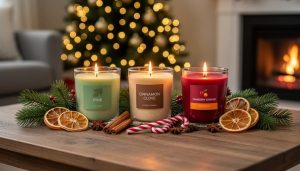
The flickering glow of vanilla-scented candles has long been as much a part of our holiday traditions as gingerbread cookies and twinkling lights, filling our homes with the comforting aromas of cinnamon, pine, and peppermint. Yet beneath that cozy ambiance lies a question that’s been growing louder each season: could these beloved companions of our celebrations actually be compromising our family’s health?
If you’ve ever experienced headaches after an evening of candlelit dinners, noticed your child’s unexplained sniffles during December gatherings, or felt a scratchy throat after burning your favorite winter fragrance, you’re not imagining things. The candles we invite into our most cherished moments may be releasing more than just delightful scents into the air we breathe.
The good news? Understanding what’s actually happening when you light that beautifully packaged holiday candle empowers you to make choices that protect both your family’s wellbeing and the magical atmosphere you’ve worked so hard to create. From the chemistry of fragrance oils to the hidden ingredients in those festive wax blends, the science behind scented candles reveals important truths that every tradition-loving household deserves to know.
This isn’t about abandoning the warmth and nostalgia that candles bring to your celebrations. Rather, it’s about discovering how to preserve that enchantment while safeguarding the health of everyone gathered around your table, ensuring your holiday memories remain filled with joy rather than compromised by preventable discomfort.
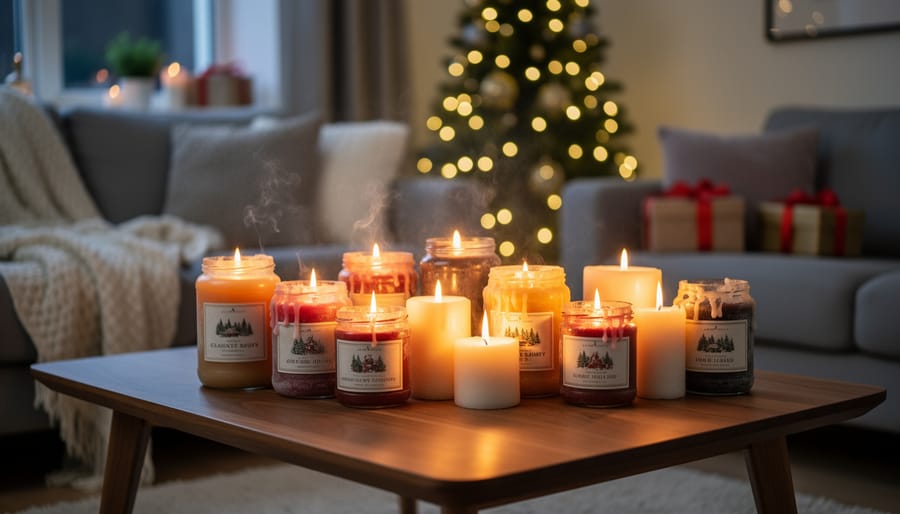
The Science Behind Scented Candle Concerns
What’s Really in That Festive Fragrance
That enchanting cinnamon-spiced candle flickering on your mantel tells a story beyond its cozy glow. Inside that festive vessel, there’s often a blend of ingredients that might surprise you—and not always in the magical way we’d hope.
Many of our beloved holiday candles begin their journey as paraffin wax, a petroleum byproduct that transforms into those familiar pillars and votives we adore. When paraffin burns, it releases tiny particles into the air, creating an invisible cloud that mingles with the scent of gingerbread and pine. Think of it like the difference between a wood-burning fireplace and a crackling campfire—both create atmosphere, but the air quality tells different tales.
The fragrances that transport us back to grandmother’s kitchen or snowy woodland walks often come from synthetic compounds rather than pure essential oils. These laboratory-created scents can contain dozens of chemical ingredients working together to mimic nature’s perfume. While they capture the essence of vanilla, peppermint, or fresh evergreen beautifully, some of these fragrance cocktails can trigger responses in sensitive individuals, much like how certain holiday treats don’t agree with everyone at the dessert table.
Here’s a concern from yesteryear that still deserves attention: lead wicks. Though banned in many places since 2003, vintage candles or imports might still harbor these troublemakers. Lead-core wicks were once popular because they helped candles burn straighter, but they released harmful metal particles into our cherished holiday air. Most modern candles now feature cotton or paper wicks, but it’s worth checking labels on older treasures tucked away in attic boxes.
When Holiday Cheer Triggers Health Reactions
Picture this: It’s Christmas Eve, and you’ve lovingly arranged your collection of pine-scented candles throughout the living room, creating that perfect holiday ambiance. But an hour into your celebration, you notice Grandma rubbing her temples, your sister excusing herself with watery eyes, and little Emma asking why her throat feels scratchy. The magical atmosphere you carefully crafted might be triggering some unwelcome guests of the physical kind.
When we gather around the hearth with candles glowing warmly, we’re often unaware that extended burning sessions can transform our cozy spaces into environments that challenge our bodies. Those twinkling flames releasing fragrant memories of cinnamon rolls and winter forests might also be releasing compounds that don’t agree with everyone at the table.
Headaches are among the most common companions to long candle-burning evenings. That gentle throbbing often starts subtly, perhaps dismissed as holiday stress, but it frequently stems from the concentrated fragrances filling enclosed spaces. When multiple candles burn simultaneously during those cherished December gatherings, the intensity multiplies, turning what should be comfort into discomfort.
Respiratory reactions tell their own story. Some family members might experience throat irritation, a persistent tickle that no amount of hot cocoa seems to soothe. Others notice their breathing feels heavier, as if the festive air itself has thickened. For those with asthma or existing respiratory sensitivities, the connection between holiday scented candles and health becomes particularly apparent when symptoms flare during celebrations.
Allergic responses manifest differently across loved ones. Watery, itching eyes, sudden sniffling, or skin irritation can appear seemingly out of nowhere, transforming joyful moments into uncomfortable ones. The truth is, our bodies are simply communicating that something in our festive atmosphere needs adjustment.
The Most Problematic Holiday Candle Ingredients
Synthetic vs. Natural Holiday Fragrances
Remember the pine-scented candles of your childhood Christmases, their warm glow promising comfort on cold winter nights? Today’s holiday candles often tell two very different stories, and understanding the distinction between synthetic and natural fragrances can help you protect your family while preserving those cherished traditions.
Synthetic holiday scents are created in laboratories using chemical compounds that mimic nature’s aromatics. That inviting cinnamon candle might contain cinnamaldehyde mixed with various carriers and fixatives, while vanilla-scented varieties often rely on vanillin derived from petroleum or wood pulp rather than actual vanilla beans. These synthetic compounds can release volatile organic compounds into your home’s air, potentially triggering headaches, respiratory irritation, or allergic reactions in sensitive individuals, especially during extended holiday gatherings when candles burn for hours.
Natural fragrances, by contrast, come from essential oils extracted directly from plants, spices, and tree resins. A candle scented with genuine pine essential oil carries the true essence of evergreen forests, while real cinnamon bark oil delivers that nostalgic spice scent your grandmother’s kitchen once held. These natural alternatives typically contain fewer chemical additives and produce cleaner burns, though it’s worth noting that even natural fragrances can cause sensitivities in some people.
The health impact difference often lies in what accompanies the scent. Synthetic fragrances may include phthalates as scent carriers, which have raised health concerns in recent studies. Natural options, particularly when paired with soy or beeswax bases, generally offer a gentler experience for your family’s wellbeing. This holiday season, reading candle labels becomes an act of love, ensuring your festive atmosphere remains both magical and safe.
Paraffin Wax: The Petroleum Problem in Your Festive Glow
Picture this: that beautiful vanilla-scented pillar candle flickering on your holiday mantel might have started its journey deep underground as crude oil. Most traditional candles are crafted from paraffin wax, a petroleum byproduct that undergoes quite a transformation before gracing your festive tablescape.
When you light that paraffin candle during your cozy Christmas Eve gathering, something less magical happens. As the wax melts and burns, it releases tiny particles and chemicals into the air your family breathes. Think of it like an unwanted guest at your holiday party—toluene and benzene can quietly enter the room, compounds that you’d never intentionally invite into your celebration.
The warmth of candlelight creates such beautiful memories, yet paraffin combustion produces indoor air pollutants similar to diesel fumes, though in much smaller amounts. During those long winter evenings when windows stay sealed tight against the cold, these particles have nowhere to go. They linger in your living room where children play with new toys and families share stories over hot cocoa.
This doesn’t mean abandoning the enchanting glow of candles altogether. Understanding what burns in your home empowers you to make choices that protect both the magic and the wellbeing of everyone gathered around your holiday hearth.
Who’s Most at Risk During the Holiday Season
While the warm glow of scented candles creates those cherished holiday moments we hold dear, it’s important to understand that some of our loved ones may be more sensitive to their effects than others. Just as we take care to ensure every family member has their favorite treat at the holiday table, we should consider how candle emissions might affect different members of our household.
Little ones are particularly vulnerable to candle-related irritants. Children’s respiratory systems are still developing, and they breathe more rapidly than adults, meaning they can inhale more airborne particles in less time. Those magical evenings watching their eyes light up at the flickering candlelight become even more precious when we know they’re safe. If you notice your children experiencing watery eyes, sneezing, or seeming more irritable during candle-lit gatherings, their little bodies might be telling you something.
Our cherished elderly family members, too, may find themselves more sensitive during the season of togetherness. Years of environmental exposure can make respiratory systems less resilient, and many seniors manage conditions like COPD or heart concerns that candle emissions might aggravate. The grandmother who shares treasured cookie recipes or the grandfather who tells stories by the fire deserves a clean home environment that supports their wellbeing.
For family members managing asthma or allergies, scented candles can transform from festive accent to health trigger surprisingly quickly. The fragrant oils that evoke cinnamon-spiced memories or pine-scented wonder can prompt airways to tighten and allergies to flare. These loved ones aren’t being difficult—their bodies simply respond more dramatically to airborne irritants.
And let’s not forget our four-legged family members! Cats and dogs experience the world largely through scent, making them especially susceptible to strong fragrances. Birds have particularly delicate respiratory systems that can be seriously compromised by candle smoke and scented oils. When Fluffy starts sneezing or Tweety seems less chirpy during your holiday decorating, the candles might be the culprit.
Creating a Healthier Holiday Glow
Choosing Safer Holiday Candles
The good news is that you don’t have to choose between safety and that enchanting holiday atmosphere your family cherishes. When you know what to look for, selecting candles becomes as joyful as decorating the tree, and you can fill your home with fragrances that capture Christmas magic without the worry.
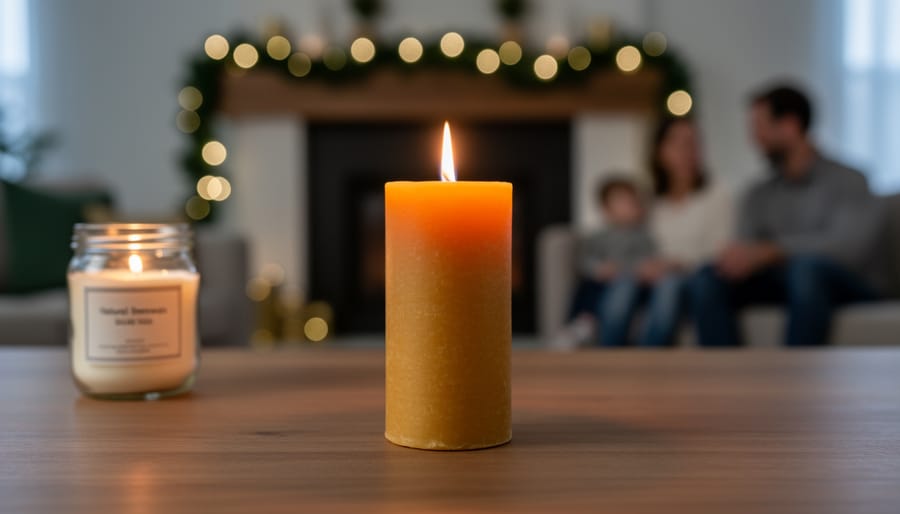
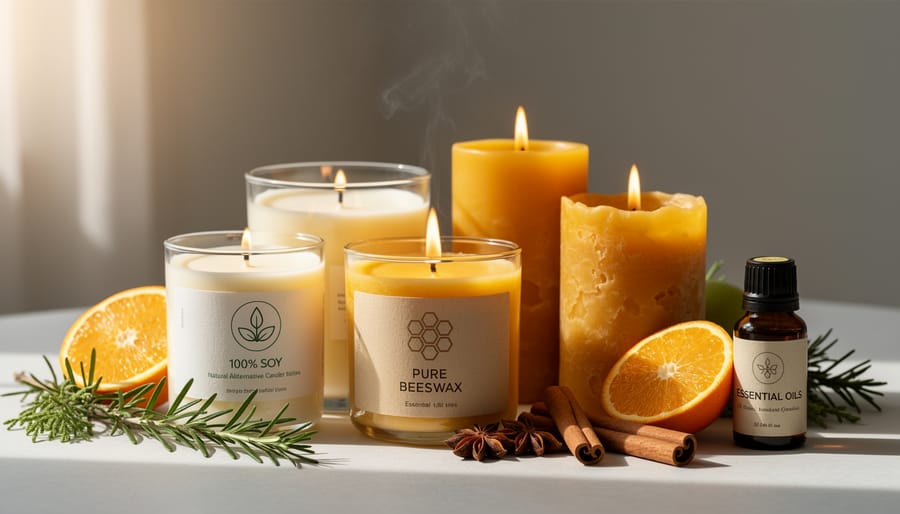
Start your candle journey by seeking out natural waxes that burn cleaner and release fewer chemicals into your festive air. Soy candles have become beloved favorites, derived from renewable soybeans and burning at a cooler temperature than traditional paraffin. They hold fragrance beautifully, making them perfect for creating those cozy Christmas moments. Beeswax candles carry their own gentle honey sweetness and actually purify the air as they burn, releasing negative ions that help neutralize pollutants—like tiny helpers tidying up your indoor atmosphere. Coconut wax, the newest treasure in the candle world, offers an exceptionally clean burn and superior scent throw, filling even the largest family gathering spaces with warmth.
When exploring the best Christmas scented candles, look for those scented with pure essential oils rather than synthetic fragrances. These botanical treasures deliver authentic aromas that connect us to nature’s own holiday palette. Pine and spruce essential oils bring the forest indoors, cinnamon and clove evoke grandmother’s kitchen baking traditions, and orange and peppermint capture the bright, refreshing spirit of winter celebrations.
Read labels like you’re opening a treasured recipe card. Quality candle makers proudly list their ingredients, mentioning lead-free cotton wicks, natural waxes, and transparent sourcing. If a label remains mysteriously vague, that’s your signal to keep searching. Many artisan candlemakers now craft small-batch holiday collections specifically designed with both beauty and wellbeing in mind, honoring the season while honoring your family’s health.
Smart Burning Practices for Holiday Gatherings
The secret to enjoying your favorite holiday candles while creating a healthy home lies in mindful burning practices that honor both ambiance and wellness. Think of it as choreographing a dance between festive glow and fresh air, where each element plays its part in harmony.
Begin by welcoming fresh air into your celebration spaces. Open a window just a crack during gatherings, even in winter’s chill. This gentle cross-breeze carries away candle emissions while maintaining that cozy warmth we cherish. Position candles away from heating vents and ceiling fans to prevent sooting and uneven burning, placing them on stable, heat-resistant surfaces where curious little hands and wagging tails cannot reach.
Honor the two-hour rule as your candle’s natural intermission. Like the quiet pause between caroling sessions, extinguishing flames after two hours gives your space time to breathe. This practice prevents the buildup of particulates that can overwhelm even the merriest of rooms. When guests arrive, light your candles thirty minutes beforehand to create that magical first impression, then let natural conversation and laughter become the evening’s true centerpiece.
Choose your candle’s stage thoughtfully. Larger rooms with higher ceilings handle burning candles more gracefully than cozy nooks. Save multiple candles for spacious gathering areas, while single votives suffice for intimate spaces. And when the evening winds down or someone mentions a tickle in their throat, that’s your cue to blow out the flames, crack open a window, and let winter’s crisp air refresh your home for tomorrow’s festivities.
Beautiful Alternatives to Traditional Scented Candles
Natural Holiday Scent Solutions
If the thought of giving up your beloved holiday candle scents feels like surrendering a piece of Christmas magic, take heart. Nature offers us the most wonderful alternatives that fill our homes with authentic seasonal aromas while keeping our families safe and healthy.
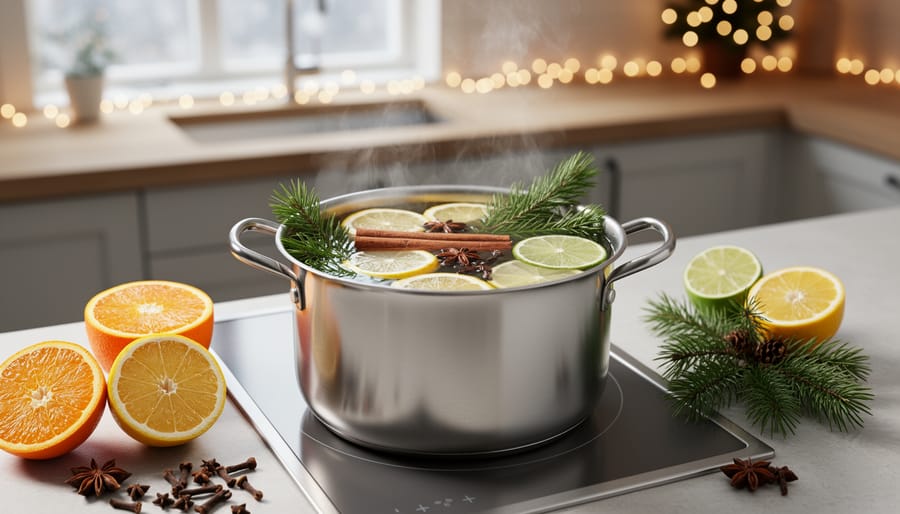
Remember how Grandma’s kitchen smelled on Christmas morning? That wasn’t from candles—it was simmering magic on the stovetop. Fill a pot with water and add orange slices, cinnamon sticks, whole cloves, and fresh cranberries. Let it bubble gently, releasing clouds of spiced citrus that dance through every room. Add a splash of vanilla extract or a few sprigs of rosemary for your own signature blend. This gentle simmer creates layers of scent that commercial candles simply cannot replicate, and you can even ladle out warm cups to sip.
Essential oil diffusers offer another beautiful path to festive fragrance. Choose pure oils like pine, peppermint, sweet orange, or cedarwood, and let them mist into your space without combustion or chemicals. The gentle vapor carries nature’s true essence throughout your home.
Don’t overlook the simplest solution of all: fresh greenery. A real evergreen wreath, pine garland draped across the mantle, or a bowl of fresh oranges studded with cloves transforms your space into a sensory wonderland. These living decorations release their fragrances naturally, bringing the forest and orchard right into your living room—exactly as generations before us celebrated, when simplicity created the most memorable holiday moments.
LED Candles with Holiday Spirit
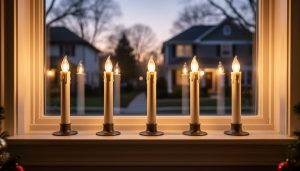
LED candles have come such a long way from those first flickering orange bulbs of yesteryear! Today’s flameless candles cast the same warm, dancing glow that makes Christmas evenings feel enchanted, without any of the health concerns that traditional scented varieties can bring. Picture a mantelpiece lined with pillared LED candles, their gentle amber light bouncing off tinsel and treasured ornaments, creating that cozy atmosphere we all crave during the holidays.
The beauty of flameless candles lies in their versatility. Nestle them among fresh pine boughs on your dining table, tuck them into lanterns by the front door, or float battery-operated tea lights in glass bowls filled with cranberries and cinnamon sticks. The magical ambiance remains, but you control the scent separately and naturally.
Here’s where creativity truly shines: simmer a pot of water with orange peels, whole cloves, and star anise on your stovetop. The natural fragrance will waft through your home, mingling with the soft candlelight to create an authentic holiday experience. Place small dishes of dried lavender or sachets of potpourri near your LED candles, allowing the gentle warmth to release their subtle scent. You might even bake those beloved family cookies, letting their sweet aroma fill every corner while your flameless candles provide the visual warmth.
This approach gives you complete control, letting you adjust or eliminate scents based on how family members feel, all while keeping that irreplaceable holiday glow alive.
The glow of candlelight dancing across your family’s faces, the comforting embrace of cinnamon and pine filling your home—these are the moments that transform a house into a haven of holiday magic. The good news is that you don’t have to choose between cherishing these beloved traditions and protecting your family’s health. With the knowledge you’ve gained, you can make thoughtful choices that keep both the wonder and wellness alive in your home.
Remember, small changes create ripples of positive impact. Choosing cleaner-burning candles, opening windows to welcome fresh winter air, and mixing traditional favorites with flameless alternatives are simple steps that safeguard the people you love most. Your holiday traditions don’t need to disappear; they simply evolve into healthier versions that can be passed down through generations without worry.
As you deck the halls this season, let your choices reflect both celebration and care. Light candles made from natural waxes and pure scents during special family dinners. Balance those glowing moments with unscented options or battery-operated alternatives in bedrooms and smaller spaces. Ventilate your rooms to let fresh air mingle with festive fragrances. These mindful adjustments honor your desire to create magical memories while demonstrating love through protection.
The holidays are about gathering the people who matter most and filling your home with warmth, laughter, and yes, delightful scents. By making informed decisions, you’re not sacrificing the magic—you’re ensuring it continues safely for years to come, creating traditions your children will one day share with their own families.