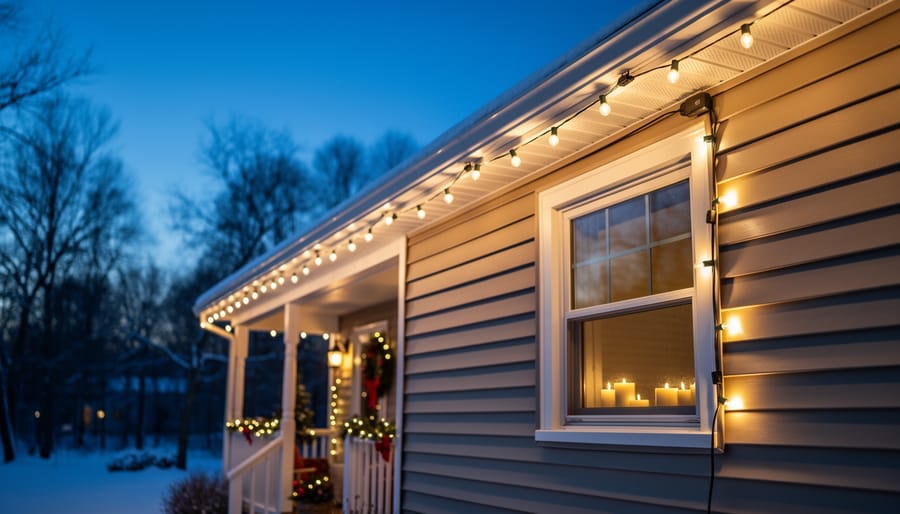
A greener Christmas light display comes down to three moves: switch to LED strings, put everything on timers, and keep every bulb, cord, and clip you can for next year. Most families can pull it off in a single afternoon, with no special skills beyond a ladder and a little patience. The payoff is real. LEDs use a fraction of the electricity that old incandescent bulbs do, they run cool, and they last long enough to become heirlooms of their own.
Think about the first time you saw a string of lights glowing against a winter dusk. That small flicker of wonder is the reason why we hang lights at all, and nothing about caring for the planet has to dim it. In fact, a thoughtful display often looks better. Warm white LEDs outline a roofline with a soft, candlelit shine, while a handful of well-placed strands can feel more magical than a tangle of dozens.
This guide walks you through what to gather, what to watch for so everything stays safe, and the steps to set up, test, and store your lights. Along the way, you’ll find answers to common questions, plus ideas for reusing and sharing what you already own. Grab a mug of cocoa and let’s make this season bright, and a little lighter on the earth.
Why Greener Lights Make the Season Brighter
Remember those big, chunky bulb strands from your grandparents’ house? The ones that got warm to the touch and filled the whole porch with a honeyed glow? That glow is still the heart of the season, and the good news is you can keep every bit of it while asking a lot less from your power bill and your trash can.
Lighting sustainability, in holiday terms, simply means getting the sparkle with less effort from the planet. LED strands use a fraction of the electricity that old incandescent bulbs did, and they last for many seasons instead of burning out after a few. That means fewer replacement bulbs, fewer tangled boxes of broken strands heading to the bin each January, and a gentler number on your winter energy bill.
There’s a quiet joy in it, too. When you string up lights that will still shine next year, and the year after, you’re building a tradition rather than a pile of waste. Your little ones might one day pull those very same strands from the attic, just as you once helped unwrap Grandpa’s.
The magic never changed, only the technology did. Today’s bulbs simply let us keep the warm, twinkling wonder we love and carry it into more winters, with a lighter footprint and a happier budget.
Gathering Your Tools and Materials for an Energy-Smart Display
Choosing Bulbs and Power Sources That Glow Gently
Warm white LEDs are the classic choice, glowing like the old incandescent strands your grandparents hung. They feel golden and snug, perfect for rooflines, doorways, and anywhere you want a candlelit welcome. Multicolor LEDs bring playful, storybook cheer, especially wrapped around trees and shrubs where little ones will point and giggle. Cool white leans crisp and frosty, lovely for icicle drops and snowy-looking branches, though it can feel brighter and sharper beside warm tones. If you’re curious how all the types of Christmas lights compare, a quick look will help you match each style to your space.
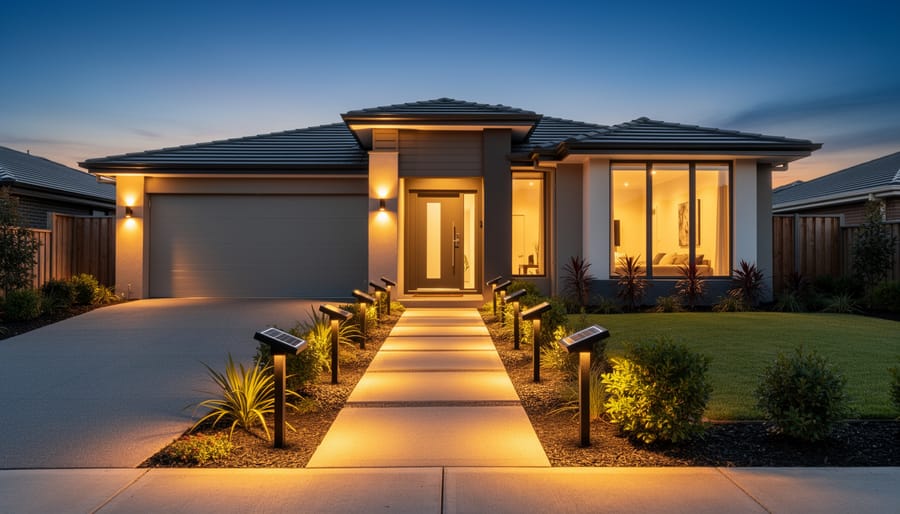
For power, think small and steady. Solar stakes are wonderful along walkways, soaking up daylight and glowing softly at dusk with no cord and no outlet. They do best where they catch sun, so place them in open spots rather than under deep eaves. Low-voltage setups use a small transformer to step power down, which keeps wiring simple and energy use modest, handy for garden beds and long runs.
People have long loved gentle light for celebrations. Paper lanterns drift over festivals across Asia, and luminarias, little candle-lit paper bags, line pathways during Las Posadas in Mexico and the American Southwest. Whatever you choose, let it glow softly and welcome everyone in.
Safety First: Keeping Your Twinkling Display Cozy and Secure
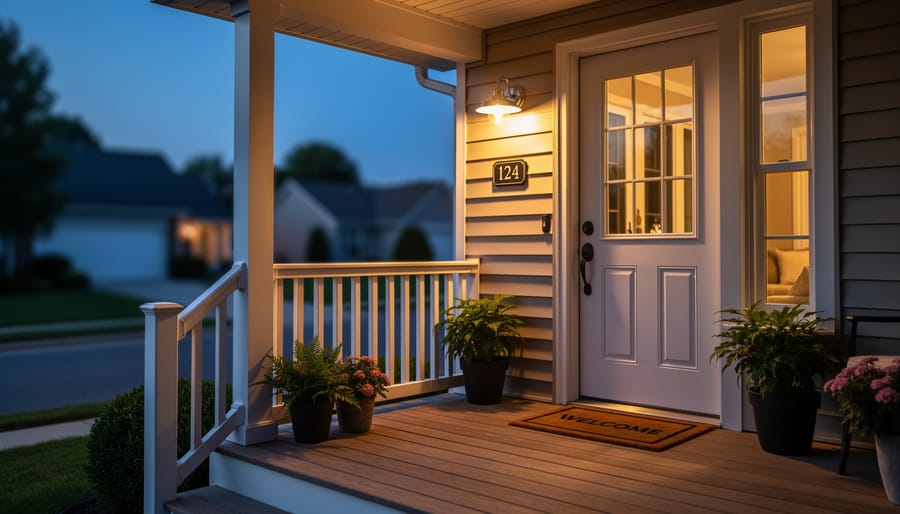
A little care before the first plug-in keeps the whole season cozy. Start by running your hands along every cord and looking closely at each socket. Frayed wires, cracked plastic, or bent plugs mean that strand should rest this year, not hang on your roofline. A sustainable display is one that lasts, and a safe one is the kind you can enjoy for many winters.
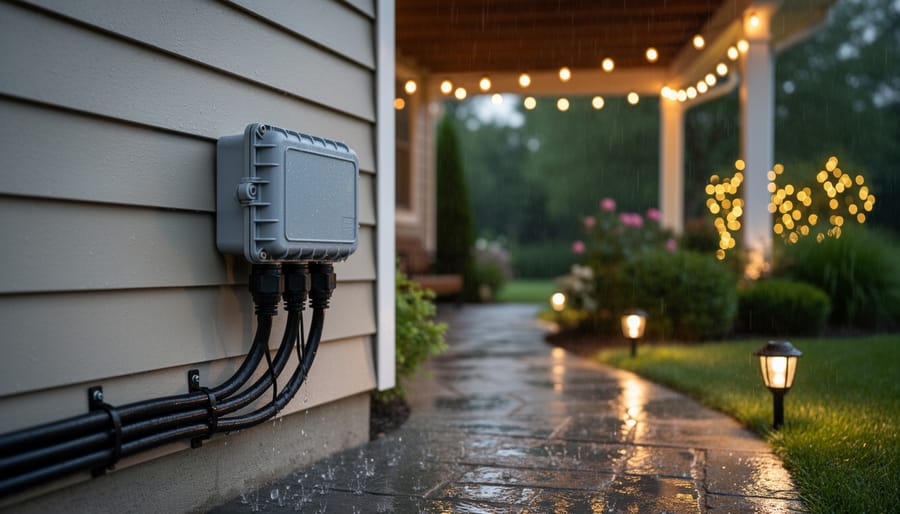
Outdoors, use only lights and cords marked for outdoor use. Indoor sets simply aren’t built to handle frost, rain, and melting snow. Keep every connection up off wet ground, too. A plug resting in a puddle is no way to welcome a snowy evening, so tuck connections into a weatherproof cover or lift them onto a dry spot.
Before you add one more strand, take a moment with the load on your outlets. It’s tempting to keep stringing, but too many lights on one outlet can overheat the wiring behind it. Knowing your 15-amp circuit limits helps you spread the glow across several outlets. The tiny label on each strand also tells you how many sets can safely be linked end to end, so please follow that manufacturer’s maximum. LEDs draw far less power than old bulbs, which gives you more room, but the limit still applies.
When it’s time to climb, bring a helper. One person steadies the ladder while the other hangs the lights, and it makes the job merrier, too. Set the ladder on firm, level ground and take your time. If anything ever feels warm to the touch or smells a bit odd, unplug it and let it cool before you investigate. A calm, careful approach means your twinkling display stays cozy, secure, and ready to be admired.
Step-by-Step: Planning and Hanging Your Sustainable Light Display
Setting a Schedule That Saves Energy Without Dimming the Joy
A timer is the quiet hero of an energy-smart display. Set your lights to glow from dusk until a sensible bedtime, say late evening, and they’ll shine when neighbors stroll by and families gather at the table. Then let them rest overnight, when no one is there to admire them anyway.
Most plug-in timers let you pick on and off times in a few taps. Smart plugs go a step further, letting you adjust schedules from your phone or even tie them to sunset so the glow starts at just the right moment as the days grow shorter. If you plan to hang lights around windows put those strands on their own plug so you can switch them on separately from the yard display.
Think of your schedule as flexible, not fixed. When friends are coming over, a cozy cocoa evening is planned, or a family tradition calls for extra sparkle, stretch the glowing hours a little. On quiet weeknights, trim them back. Grouping lights on separate timers gives you this freedom, so the porch can stay lit a bit longer while the tree outside rests early.
Little adjustments like these keep the magic bright and the energy use gentle.
Checking Your Work and Planning Next Steps
When the sun slips away and the first lights flicker on, it’s time for the part that turns a good display into a great one: a slow dusk walk-through. Stroll the full length of your display, ideally from the street, since that’s how neighbors will see it. Look for dark spots, uneven rhythm, or a strand that’s dimmer than its sisters. A single dead section is usually a loose connection or a stubborn bulb, easy to fix in the daylight.
Next, check that your timers and smart plugs do their job. Watch for the moment the lights wake up, then confirm they rest at the hour you set. If something runs too early or lingers too late, adjust now rather than discovering it midseason. Give plugs and cords one last glance too: connections should sit snug, lifted off damp ground, and tucked away from puddles or drip lines. Jot down quick notes on what to tweak, like a bare patch near the porch or an outlet that’s working a little too hard.
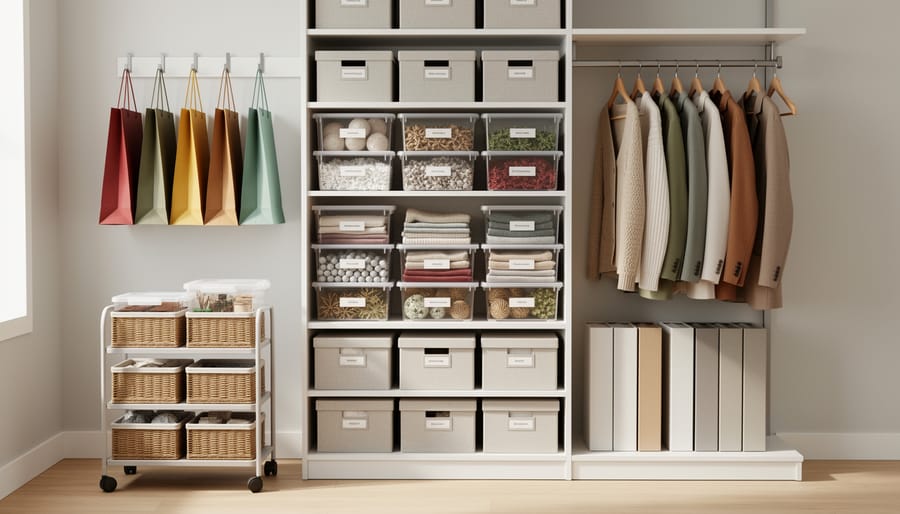
When the season winds down, gentle removal protects your lights for years to come. Take strands down by hand rather than yanking, and wind them around a reel or sturdy cardboard form so they never knot. Label each storage bin by location, such as “front porch” or “tree,” so next year’s setup feels like opening a present. Set aside any worn or flickering strands. Repair them if the fix is simple, or take them to a local electronics or lighting recycling drop-off instead of the trash. Your future self, and the planet, will thank you.
Your Energy-Smart Lighting Questions, Answered
Every glowing display raises a few “wait, can I do that?” moments, so here are the questions neighbors ask most, answered the way you’d chat over a mug of cocoa.
Are LED lights really worth the switch?
Yes, for most households. LEDs draw far less power than old incandescent strands and tend to last for many seasons, so you spend less on electricity and replace fewer bulbs.
Can I mix old and new strands?
You can, as long as each strand is in good shape and you stay within the manufacturer’s connection limits. Don’t link LED and incandescent strands end to end, and run them on separate plugs or timers so each gets the right load.
Do solar lights work in winter?
They do, but shorter days and cloudy skies mean a shorter glow. Place panels where they catch the most sun and use solar for pathway accents, with plug-in LEDs handling the main show.
How do I recycle old lights?
Don’t toss them in the curbside bin. Check for local e-waste drop-offs, hardware store collection programs, or municipal recycling events that accept holiday strands.
A strand that goes dark isn’t always ready for retirement, either. Before you recycle, see whether you can fix half a string with a quick bulb swap or fuse check. Mending keeps good lights glowing and keeps waste out of the bin.
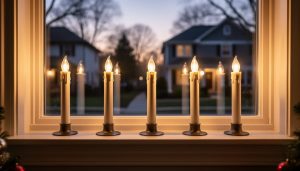
And yes, you can absolutely weave non-traditional or cultural light celebrations into your display. Think soft lanterns, a menorah-inspired glow, or warm candle-style LEDs in a window, all sharing space with your twinkling trees. Light has always been a way for people to gather and welcome one another, so let your display tell a story that feels like home to everyone who passes by.
As the last strand glows and the porch light flickers on, picture the whole street again: windows warm, rooftops outlined in gold, and neighbors waving from their front steps. That glowing neighborhood you imagined at the start? It’s within reach, and it didn’t take a mountain of electricity or a bin full of tangled, burned-out bulbs to get there.
Sustainable Season Lighting: Energy-Smart Displays proves that every household can shine, whether you’re hanging a single wreath of warm white LEDs or wrapping the whole yard in color. Plan your layout, test your strands, set your timers, and tuck everything away with care come January. Those small choices add up to a lighter footprint and a brighter season.
Now it’s your turn to share the glow. What light traditions does your family treasure? We’d love to hear them, because the best displays are the ones that carry a little love and a lot of story.