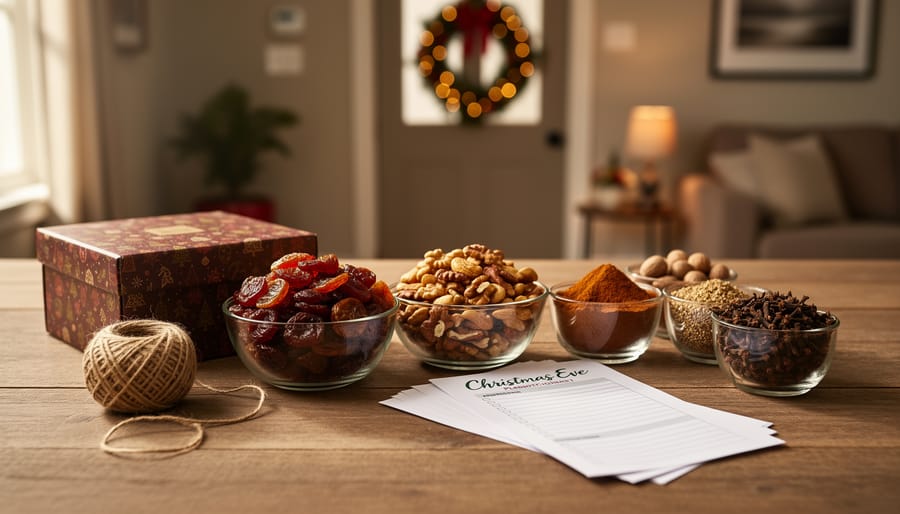
The golden window for planning Christmas celebrations opens in late September and extends through early October, giving you roughly three months to craft a holiday that feels effortless on the day itself. Start any earlier and you risk forgetting details or losing momentum; wait until November and the seasonal rush transforms planning from joyful anticipation into frantic scrambling.
The complexity of your celebration determines where you fall within that timeline. Families hosting extended relatives or planning elaborate feasts benefit from beginning in September, when venues still have availability and specialty ingredients can be ordered without premium pricing. Those keeping things intimate with immediate family can comfortably begin in early October without sacrificing quality or choice.
What shifts this timeline most dramatically is whether you’re creating new traditions or honoring established ones. Introducing fresh customs requires buffer time for testing recipes, gathering unfamiliar supplies, and building excitement among participants. Returning to beloved rituals follows a familiar rhythm, letting you plan closer to the date while still capturing that magic.
The real gift of early planning isn’t just logistics. It’s reclaiming Christmas Eve from the tyranny of last-minute grocery runs and wrapping paper emergencies. When you start in autumn, December becomes what it should be: a month of savoring anticipation rather than surviving chaos. Your grandmother understood this instinctively, beginning her fruitcake preparations after the first cool nights and slowly accumulating ingredients as stores displayed their finest seasonal offerings.
The Quick Answer: Your Christmas Eve Planning Timeline

The sweet spot for starting your Christmas Eve plans depends entirely on what kind of magic you’re creating. For cozy, straightforward family gatherings, think matching pajamas, hot cocoa, and a movie marathon, six to eight weeks of lead time (early to mid-November) gives you enough runway without turning planning into a second job. If you’re orchestrating an elaborate multi-generational celebration with cousins flying in from three states and Grandma’s famous seven-course dinner, push that timeline back to three or four months ahead (late summer or early September). You’ll need that breathing room to coordinate schedules, secure travel arrangements, and gather everyone’s input without the holiday rush breathing down your neck.
For brand-new traditions requiring church service reservations, restaurant bookings, or special entertainment, start even earlier, four to six months out (July through September). Popular candlelight services and holiday dining spots fill up faster than Santa’s sleigh on Christmas Eve, and waiting until December means settling for second choices or scrambling for alternatives. The beauty of early planning isn’t about losing spontaneity; it’s about creating a foundation that lets you savor the season instead of surviving it.
Planning Windows for Different Christmas Eve Traditions
Early Planning: 4-6 Months Ahead (July-September)
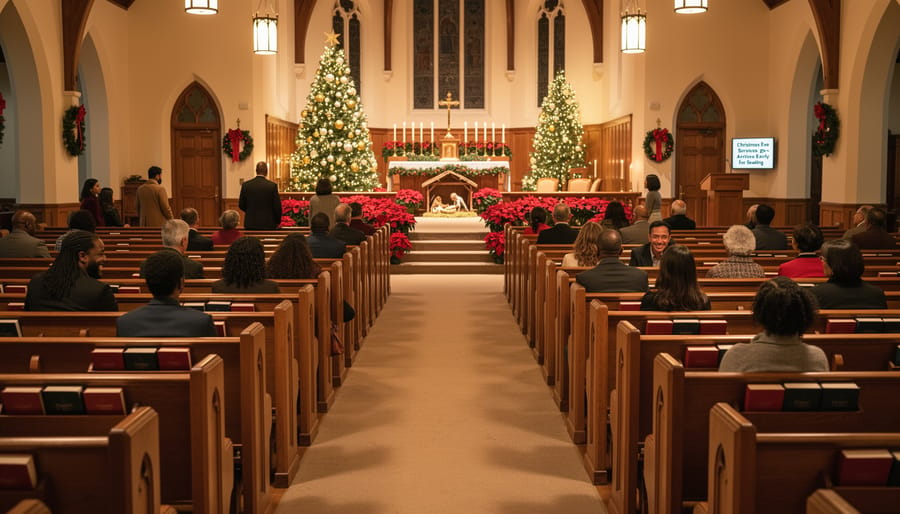
The moment school lets out for summer vacation might seem worlds away from Christmas Eve, but July through September is when certain beloved traditions need your attention. If your holiday vision includes any elements that depend on limited availability or coordination with others, this is your planning sweet spot.
Starting four to six months ahead isn’t about rushing the season, it’s about claiming your preferred spots before they fill up. Churches with candlelight services in historic buildings or popular congregations often reach capacity quickly, and many now offer reservation systems that open in late summer. Similarly, if Christmas Eve dinner at that cozy restaurant with the fireplace and Victorian charm has become your family tradition, you’ll want to call by August. The best time slots vanish first, leaving latecomers with awkward seatings or disappointment.
Consider these early-bird traditions:
- Church services with limited seating or special music programs, reserve by late August
- Restaurant reservations for Christmas Eve dinner, book 4-5 months ahead for prime times
- Travel arrangements bringing far-flung family together, coordinate schedules and book flights by September
- Custom matching pajamas or personalized stockings, allow time for design, production, and shipping
- Professional carolers, musicians, or entertainment, popular performers book up by early fall
The beauty of tackling these items in summer is the absence of pressure. You’re making phone calls from your porch with lemonade in hand, not frantically searching for alternatives in December. These months also give extended family time to compare calendars without holiday chaos clouding their schedules. When November arrives, you’ll feel the quiet confidence of knowing your foundation is solid.
Mid-Range Planning: 2-3 Months Ahead (October-November)
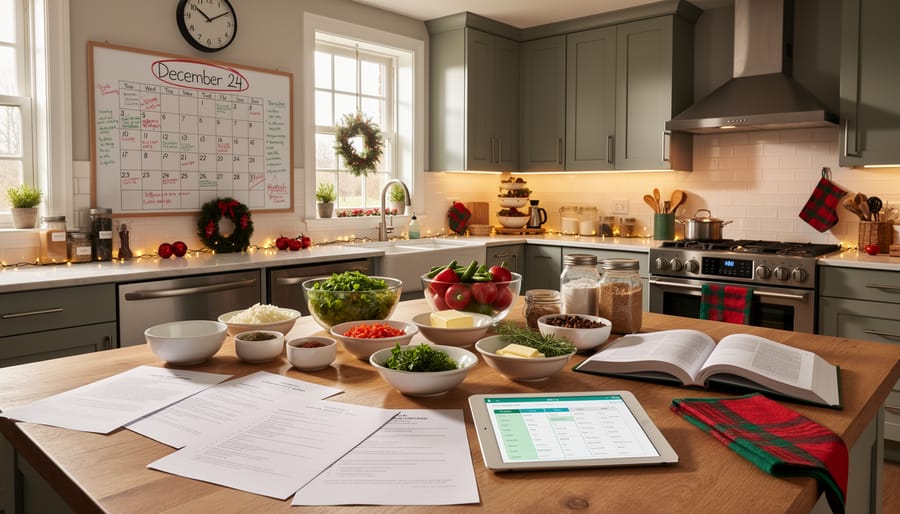
October and November form the sweet spot for pulling together the heart of your Christmas Eve celebration, the activities that need some coordination but won’t consume your entire autumn. This window lets you sort out the details that make the evening flow smoothly without the pressure of last-minute scrambles.
Start gathering recipes for your traditional Christmas Eve meal, especially if you’re testing a new dish or need to track down an older relative’s handwritten instructions. This is when family recipe exchanges happen naturally, giving you time to practice once before the big night. If your celebration includes a gift exchange, whether a Secret Santa draw, White Elephant game, or coordinated giving plan, set the rules and participant list now, allowing everyone to shop thoughtfully rather than frantically.
Extended family coordination fits beautifully into this timeframe. Confirm who’s hosting, finalize the guest count, and nail down any dietary needs or schedule conflicts before December’s chaos hits. Planning your decorating schedule now means you can pace the work and enjoy the process rather than rushing through it.
Purchase specialty ingredients and decorative items during this window, particularly imported treats, specific cookie cutters, or themed serving pieces, since holiday items may sell out as December approaches. Ordering matching pajamas, custom ornaments, or personalized storybooks also falls into this preparation phase, giving shipping delays room to resolve themselves.
Last-Minute Planning: 3-6 Weeks Ahead (Late November-Early December)

With roughly a month until Christmas Eve, your focus shifts to the cozy details that bring traditions to life. This window is perfect for finalizing your activity flow, deciding which Christmas stories you’ll read aloud (gathering Christmas story prompts if you’re trying something new this year), curating your holiday movie lineup, and confirming the evening’s rhythm so everyone knows what to expect.
Now’s the time to lock in your menu, making sure you have recipes handy and a shopping list ready. If you’re hosting, send quick check-ins to guests confirming attendance and any dietary needs, it saves scrambling later. Create simple schedules for activities like ornament decorating or carol singing, keeping them loose enough to allow spontaneity but structured enough that nothing gets forgotten in the excitement.
Three to six weeks out gives you breathing room to test a new cookie recipe, print off lyrics for caroling, or download that classic film everyone’s been requesting. You’re not booking venues or ordering supplies anymore, you’re weaving together all those earlier plans into a seamless evening. The heavy lifting is behind you; these weeks are about anticipation and those finishing touches that make Christmas Eve feel effortlessly magical.
Final Week Preparations
The final week transforms planning into reality. Shop for fresh ingredients that can’t be purchased early, cranberries, specialty breads, fresh herbs. Set up your activity stations: arrange the puzzle on the dining table, stock the cookie-decorating counter with supplies, test the projector for movie night. Prepare game materials and craft stations so everything’s ready to grab when the moment arrives. Create your hour-by-hour flow for Christmas Eve itself, but keep it loose, think “rough guide” rather than rigid schedule. Write down who’s responsible for what tasks on the day. Confirm final headcounts and dietary needs. This week isn’t about perfection; it’s about having everything in place so you can actually enjoy the magic rather than frantically searching for missing pieces while guests arrive.
Factors That Shift Your Planning Timeline
Family Size and Coordination Complexity
The number of people gathering around your Christmas Eve table fundamentally shapes when you need to start planning. A cozy celebration with just your immediate household might come together beautifully with six weeks’ notice, but coordinating three generations across four states requires a different timeline altogether.
When multiple households converge, you’re not just planning activities, you’re orchestrating schedules, dietary preferences, sleeping arrangements, and sometimes delicate family dynamics. Start your outreach three to four months early if you’re bringing together extended family, giving everyone time to request time off work, book travel, and clear their calendars. This breathing room also allows for the gentle negotiation that happens when Aunt Marie insists on her traditional Christmas Eve lasagna while your sister wants to try something new.
Multi-generational gatherings add beautiful richness but also complexity. Grandparents may need accommodations for mobility or energy levels, teenagers might have their own holiday commitments, and young children require earlier timelines that don’t always mesh with adult preferences. Early planning lets you weave these threads together thoughtfully, perhaps scheduling personalized Christmas gifts exchanges at a time when little ones are still delightfully awake and great-grandparents aren’t yet exhausted.
New Traditions vs. Established Rituals
There’s something beautifully comforting about pulling out the same worn recipe card each December, knowing exactly how your grandmother’s wassail will fill the house with cinnamon and clove. Established rituals, those traditions you’ve repeated for years, rarely need months of advance planning. You already know what ingredients to buy, which carols everyone wants to sing, and precisely when Uncle Robert will pretend he’s lost the Christmas pickle ornament. These familiar patterns can come together with just a few weeks’ notice.
New traditions, though, deserve more breathing room. When you’re testing a Norwegian Christmas Eve dinner for the first time or introducing a candlelit storytelling hour, you’ll want at least two to three months to research authentic approaches, gather specialized supplies, and perhaps do a trial run in November. First-time traditions often involve learning curves, finding the right craft materials, perfecting an unfamiliar recipe, or understanding cultural context. That extra time transforms nervous experimentation into confident celebration, letting you troubleshoot without December stress while building something that might become your family’s next cherished ritual.
Geographic and Cultural Considerations
Different cultural backgrounds and geographic locations create beautiful variations in when Christmas Eve planning should begin. Families celebrating traditional Wigilia feasts in Polish communities need extra weeks to source specialty items like dried mushrooms and poppy seeds, while those honoring Las Posadas may coordinate multi-neighborhood processions requiring months of community planning. Regional availability matters too, sourcing fresh oysters for Réveillon in landlocked areas takes advance ordering, while finding specific holiday ingredients in rural locations often means securing them during autumn visits to larger cities.
Travel distances add another layer. Families gathering across continents book flights six months ahead to capture reasonable fares and ensure everyone arrives for cherished midnight traditions. Even domestic travelers benefit from early planning during peak holiday weeks. Climate variations also shift timelines, Nordic families planning outdoor candlelit gatherings must arrange backup indoor spaces well in advance, while tropical celebrations might focus on securing ice for traditional cold dishes.
The gorgeous tapestry of global Christmas Eve customs reminds us that planning timelines aren’t one-size-fits-all. Your heritage and location shape when preparation begins, making each family’s approach uniquely meaningful.
Budget and DIY Elements
Budget-conscious celebrations and DIY projects demand the longest lead times of all. When you’re hand-stitching stockings, baking cookies for neighbors, or crafting ornaments with the children, starting in early autumn lets you spread both costs and effort across several months. You can shop sales gradually, test recipes without pressure, and squeeze creative sessions between your regular holiday workout and daily routines. Homemade gifts carry deeper meaning precisely because they represent invested time, rushing them in December robs both maker and recipient of that loving intention. Begin in September, and by Christmas Eve your handcrafted touches will feel effortless rather than frantic.
Creating Your Personal Christmas Eve Planning Schedule
Inventory Your Traditions
Begin by gathering your family for an honest conversation about which traditions feel essential to your Christmas Eve magic. Write down everything, from Grandma’s pierogi recipe to opening one gift before bed. Sort them into three categories: must-haves that define your celebration, flexible activities you enjoy but could adapt, and traditions that perhaps no longer serve you. This clarity prevents overcommitting while preserving what truly matters.
Next, brainstorm what’s missing from your current celebration. Browse fun Christmas Eve ideas or consider life changes, such as welcoming little ones who might enjoy activities for toddlers. Maybe you’ve always wanted to start Christmas Eve caroling or a gratitude circle. Write these possibilities down without judgment. This inventory becomes your foundation for building a realistic, joyful timeline that honors both cherished rituals and room for delightful evolution.
Map Dependencies and Deadlines
Every Christmas Eve tradition has a logical sequence, some pieces must fall into place before others can begin. Start by listing everything that depends on someone else’s availability or action: coordinating with extended family for dinner times, confirming a friend’s willingness to play Santa, or booking that carol service your grandmother loves. These collaborative elements deserve your earliest attention because they involve variables you cannot control alone.
Next, circle any traditions with genuine hard deadlines. Restaurant reservations for Christmas Eve often require booking by late October in popular areas. Custom ornaments, monogrammed stockings, or specialty foods from small vendors may have order cut-offs in early November. Missing these dates does not just delay your plans, it eliminates certain options entirely.
Once you have identified these anchors, work backward from each deadline to determine when you need to begin conversations, place orders, or make decisions. If your church’s candlelight service fills by December 1st, add a reminder for mid-November. If Aunt Marie needs three weeks’ notice before committing to her famous cinnamon rolls, reach out in early December rather than hoping she will have time.
This dependency mapping transforms vague intentions into a clear sequence of actions, each one supporting the next.
Build in Buffer Time
Life rarely follows a perfect schedule, especially during the holidays when family illnesses, shipping delays, or work demands can upend even the most carefully laid plans. That’s why smart Christmas Eve planning includes generous buffer time, add at least two weeks to any deadline you’ve set. If you want to prep holiday cards by December 10th, aim for November 25th instead. This cushion transforms potential disasters into minor adjustments. More importantly, it creates breathing room for spontaneous magic: an impromptu cookie decorating session, a surprise neighborhood caroling invitation, or simply a quiet evening admiring the tree lights together without rushing to check the next task off your list.
Set Milestone Check-ins
Regular check-ins transform holiday planning from an overwhelming task into a series of small, manageable celebrations. Schedule brief reviews at natural intervals, perhaps the first weekend of each month starting in September, or every two weeks once December arrives. During these 15-minute sessions, acknowledge what you’ve accomplished (reserved the restaurant, ordered pajamas, confirmed Grandma’s arrival) and gently adjust anything that’s shifted. Life happens. Someone’s schedule changes, a venue closes, inspiration strikes for a new tradition, these milestones let you course-correct gracefully rather than scrambling at the last moment. Mark them in your calendar with festive reminders. Each check-in becomes a moment to reconnect with why you’re planning: not perfection, but presence. The goal isn’t rigid adherence to a timeline; it’s maintaining that warm anticipation that makes the season sparkle.
Common Christmas Eve Traditions and Their Planning Needs
Christmas Eve traditions span a beautiful spectrum, from quiet candlelit moments to elaborate multi-family feasts. Understanding the planning timeline for each helps you choose traditions that fit your capacity while honoring what matters most to your family.
The Christmas Eve dinner stands as perhaps the most universal tradition, yet its planning needs vary wildly. Italian families preparing the Feast of the Seven Fishes should start recipe planning and specialty seafood sourcing three months ahead, particularly for harder-to-find items like baccalà or octopus. Polish families serving traditional wigilia benefit from similar advance planning for ingredients like carp or mushroom-filled pierogi. Simpler family dinners require just four to six weeks for menu planning and ingredient shopping.
Church services anchor many families’ celebrations, but beloved midnight masses and candlelight services fill quickly. Reserve your spots three to four months in advance, especially for Christmas concerts or special children’s pageants. Some congregations accept reservations as early as September, and popular services can reach capacity by mid-November.
The tradition of matching family pajamas brings delightful photo opportunities, but custom or personalized sets need four to five months’ lead time for design, production, and potential sizing exchanges. Off-the-rack coordinated pajamas still benefit from eight to ten weeks’ planning as popular styles sell out rapidly.
| Tradition Type | Planning Start | Key Considerations | Complexity |
|---|---|---|---|
| Traditional feast dinner | 2-3 months | Specialty ingredients, family recipes, coordination | Moderate-High |
| Church service attendance | 3-4 months | Seating reservations, service times, childcare | Low-Moderate |
| Cookie decorating party | 4-6 weeks | Supplies, cookie recipes, guest count | Low |
| Christmas story reading | 2-3 weeks | Book selection, reading order, cozy setup | Low |
| Neighborhood caroling | 6-8 weeks | Route planning, songbooks, refreshments | Moderate |
Driving through neighborhood light displays requires minimal advance planning, just two to three weeks to scout routes and check popular display schedules. However, booking tickets for professional light shows or drive-through events demands three to four months’ notice as these experiences often sell out before Thanksgiving.
The tradition of opening one gift on Christmas Eve needs only a few weeks to decide which present and establish the ritual. More elaborate gift exchanges, particularly white elephant games or homemade gift requirements, benefit from six to eight weeks so participants have adequate preparation time without holiday rush stress.
German families observing Heiligabend with their Christmas tree decorating on the evening itself should purchase their tree stand and ornaments two months ahead, but wait to select the actual tree until mid-December for maximum freshness. This approach preserves the magic of the reveal while ensuring you have everything needed for the moment.
After Christmas Eve: Preserving and Building on Your Traditions
The morning after Christmas Eve holds a quiet magic of its own. While your home still glows with lingering candlelight and the scent of pine, take a few intentional moments to capture what made the evening special. This isn’t about formal documentation, it’s about preserving the emotional texture of traditions that worked. Did everyone linger at the table longer than usual? Did a spontaneous carol session become the highlight? These observations become the seeds for next year’s planning.
Start a simple Christmas Eve memory book that lives with your decorations. Jot down what time you started activities, which recipes drew compliments, any hiccups that became funny stories, and, most importantly, the moments that felt like pure joy. Include photos, ticket stubs from that midnight service, or even the coffee-stained recipe card that will now forever remind you of this year. One family I know keeps a “Christmas Eve jar” where everyone drops in anonymous notes about their favorite moment before bed. Reading last year’s notes while planning becomes its own treasured ritual.
Within the first week of January, while memories remain vivid, transfer your observations to next year’s planning timeline. That recipe that took too long? Note it needs prep the day before. The game everyone loved? Mark it as a keeper. The tradition that felt obligatory rather than joyful? Give yourself permission to let it go or reimagine it.
This reflection phase isn’t sentimental busywork. It’s how good traditions become great ones, how your family’s Christmas Eve story deepens rather than stagnates. Each year’s experience informs the next, creating a living tradition that grows with your family rather than against it. The Christmas Planning Hub lets you carry forward these insights, building a richer celebration cycle that honors both continuity and evolution.
What to Do Afterward
Once the last carol fades and your Christmas Eve traditions wrap up, take a quiet moment, perhaps on Christmas morning with coffee in hand, to jot down what felt magical and what didn’t quite work. These fresh impressions are gold for next year’s planning.
Within the first week of January, while memories remain vivid, create a simple “Christmas Eve Debrief” document. Note which traditions your kids asked to repeat, which recipes were hits, what timing felt rushed, and what supplies you wish you’d had. Photograph your setup before dismantling decorations so you remember table arrangements or activity station configurations that worked beautifully.
Store all planning materials, recipes, and notes in one dedicated folder, physical or digital, labeled with the year. This becomes your reference library, saving you from reinventing the wheel each season.
Most importantly, share favorite photos and stories with family members while the warmth lingers. These conversations often reveal which moments meant the most to different people, shaping how you’ll approach traditions in years to come. The afterglow of reflection transforms a lovely evening into wisdom that enriches every Christmas Eve ahead.
Frequently Asked Questions About Christmas Eve Planning
The journey of planning Christmas Eve often raises similar questions among families year after year. Whether you’re orchestrating your first celebration or refining decades-old traditions, these common concerns deserve thoughtful answers that honor both the practical and magical aspects of the season.
What if family members can’t agree on which traditions to keep?
Start by identifying the one or two traditions each person considers non-negotiable, then rotate or combine the rest. Creating a family vote or taking turns choosing activities each year helps everyone feel heard while keeping the evening manageable.
How do I handle unexpected guests or last-minute schedule changes?
Build flexibility into your timeline by keeping backup food options available and planning activities that scale easily. The most cherished Christmas Eve memories often come from spontaneous moments, so embrace changes as opportunities rather than disruptions.
Is it too late to start planning if it’s already December?
Absolutely not. Focus on simple, meaningful traditions that require minimal advance preparation, like reading favorite stories together, enjoying hot cocoa by candlelight, or taking a neighborhood lights walk. Magic doesn’t require months of planning.
How do I make Christmas Eve special without exhausting myself?
Choose quality over quantity by selecting three to five truly meaningful activities rather than cramming in everything. Delegate tasks to willing family members and remember that your presence matters far more than perfection.
Beyond these practical considerations, many families wonder how to balance honoring beloved traditions with introducing fresh ideas. The sweet spot lies in maintaining your core rituals while allowing space for one or two new elements each year. Think of your Christmas Eve as a living tradition rather than a rigid script. This mindset frees you to adapt as children grow, family dynamics shift, and circumstances change.
Another frequent concern centers on managing multiple households or blended family expectations. When coordinating between different family groups, transparency and early communication become your greatest allies. Share your proposed timeline well in advance, invite input genuinely, and be willing to compromise on timing even if certain traditions remain fixed. Some families find success in alternating years or creating hybrid celebrations that honor multiple heritage traditions within one evening.
The question of budget often surfaces too, particularly when envisioning elaborate celebrations. Remember that the most treasured Christmas Eve traditions rarely center on expensive elements. Handwritten notes expressing gratitude, homemade treats shared around the table, singing carols together by soft lamplight, these cost little but create profound connections. If financial constraints feel limiting, lean into the sensory richness of simple moments: the scent of cinnamon, the warmth of gathered loved ones, the anticipation in children’s eyes.
Finally, parents frequently ask whether their planning efforts truly matter to their children. The answer whispers itself in the way grown children request the same bedtime story you read for twenty years, or how they recreate your family recipes in their own homes. Your thoughtful planning today becomes the nostalgic comfort of tomorrow, the traditions your children will someday cherish and pass along.
The perfect Christmas Eve planning timeline isn’t measured in weeks or months alone. It’s measured in how much joy it brings you and how little stress it leaves room for. Start when your heart says it’s time, adjust as life unfolds, and remember that even the best-laid plans can make space for spontaneous magic.
Your traditions will shift and grow alongside your family. The Christmas Eve that once centered on midnight church services might transform into cozy pajama story-time with little ones. The elaborate feast may simplify into cherished takeout from that favorite restaurant. What mattered five years ago might feel different today, and that’s not just okay, it’s beautiful. The traditions that truly matter are the ones that bring you together, not the ones that exhaust you.
Planning tools like the Christmas Planning Hub can help you organize the logistics so your mind stays free for what really counts: the laughter over slightly burnt cookies, the quiet moment watching candlelight flicker, your child’s face when they hear reindeer bells. The calendar, the checklists, the coordinated schedules, they’re all just scaffolding for the memories you’re building.
This Christmas Eve, let your planning serve the magic instead of overshadowing it. Start early enough to feel prepared, stay flexible enough to embrace surprises, and give yourself permission to savor every moment. The wonder of the season doesn’t arrive because everything went perfectly. It arrives because you showed up, present and ready to celebrate the people you love.